Free Shipping On Orders $199+ No-Hassle Returns Trusted By 130+ Happy Customers

How To Clean A Stone Fireplace, Including Soot

A stone fireplace can completely transform a room, from the smooth finish to the sleek design of the stones. However, this can be completely ruined if there is a surface build-up of soot and grime. Not only is it not very aesthetically pleasing to the eye, but it can actually cause harm to your health if not cleaned up quickly. 

Luckily, cleaning a stone fireplace isn’t hard, especially when you have the right tools and products. Here at Brick-Anew, we’ve put together a comprehensive guide to help you get your stone fireplace looking sparkling clean so that you can be proud of it again. 


What specialist cleaner should you use?


Many cleaning solutions are advertised on the internet, telling you that they are the best at cleaning stone fireplaces. However, they can’t all be the best. While some people may have a preference for one over the other, we have the ultimate specialist cleaner that will help you keep your fireplace in tip-top shape.

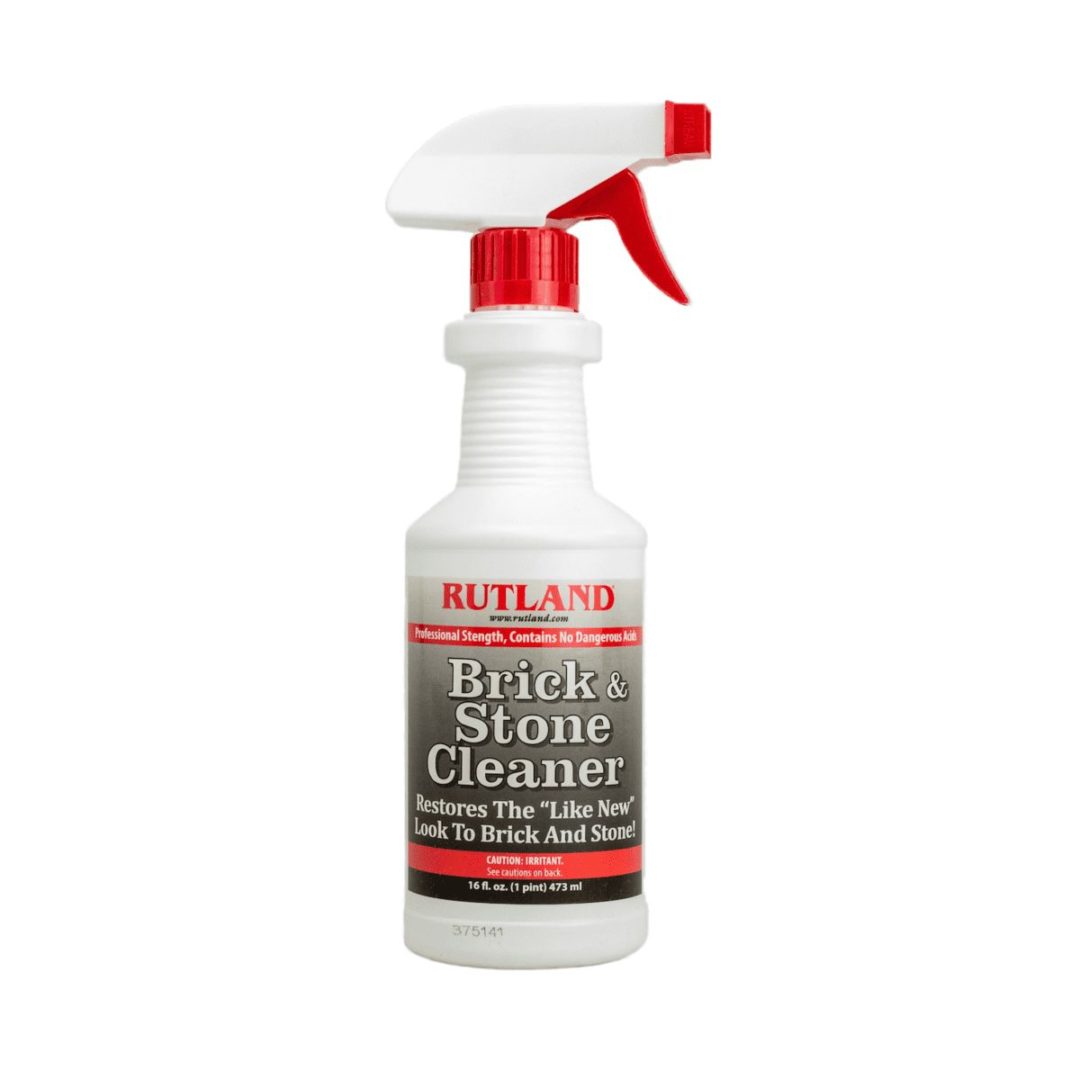
The Brick Anew Brick and Stone Fireplace Cleaner is a professional solution designed to penetrate and remove any form of soot, dirt, and grime on the surface of your stone fireplace. It has been made with natural, non-harmful ingredients, which makes cleaning stone easier than ever before. 


Step-by-step guide for cleaning your stone fireplace


Using Brick Anew’s specialist cleaner, you can remove any soot and grime from your fireplace in just a few simple steps: 


1. Prepare your fireplace for cleaning 

Before you start using the Brick Anew cleaner and deep scrub your stone fireplace, you need to get the whole area ready. To start, you’ll need to sweep up any loose dust and soot from the floor surrounding your fireplace, as well as the inside of your fireplace. 

Once all the excess dirt has been removed, you’ll then need to cover the hearth with a tarp or another form of protective material. This will protect your floors from any loose Brick Anew cleaner, soot that is falling off, or warm water that you use later on. It is a good idea to seal it down with duct tape, so it doesn’t move.


2. Put on protective equipment 

While the Brick Anew cleaner doesn’t have any harmful chemicals, you still don’t want to get it in your eyes or any cuts. That’s why you’ll want to put on some gloves and goggles before you start the deep cleaning of your stone fireplace. Make sure that it all fits and that there aren’t any holes in the protective equipment.


3. Start spraying the Brick Anew cleaner

The first thing you want to do when you start the deep cleaning process is to spray the Brick Anew cleaner all over your stone. Unlike other solutions, this product already comes in a spray bottle, so you don’t need to transfer it. Be sure that you have sprayed the solution evenly on all the stones and that there aren’t any spots that you’ve missed.


4. Wipe the solution on the stones

Very quickly after you’ve sprayed the Brick Anew cleaner on the stones of your fireplace, you’ll want to use your hands to massage it all over. This will ensure every inch of your stones is covered in the solution and prepared for the next step. Make sure you’ve kept your gloves on for this step.


5. Start scrubbing

This is the most important and sometimes the most fun part. You will need a scrubber brush and start massaging the Brick Anew cleaning solution even deeper into the stone. Move the solution around with the brush using a circular motion to ensure you get every bit of dirt and grime off the surface.


6. Rinse with a sponge

Grab a bucket of warm water and a sponge for the last step when cleaning your stone fireplace. Dip your sponge in the warm water and wipe off the excess Brick Anew cleaning solution from the stone on your fireplace. Once done, your area should look almost brand new. 


How often should you clean your stone fireplace?


How often you clean your stone fireplace will depend on how often you use it. For example, if you only light a fire in it twice a year, there won’t be as much build-up of dirt and grime as someone who uses it every night. Therefore, it’s always a good idea to keep an eye on how your fireplace looks and make a logical decision about whether it needs to be cleaned. 

However, if you are someone who uses your fireplace regularly, then you should probably clean it at least once a month. If there is around ¼ inches worth of soot on the stone, then it is time for it to have a scrub down.


Can soot on my stone fireplace be harmful?


Many don’t realize, but soot is actually a very harmful substance, and it’s why it should be removed from your stone fireplace on a regular basis. While it isn’t great to look at, it also has the potential to become dangerous to your health. This is because soot is a carcinogen, and this is a substance that increases your risk of developing cancer and other diseases that affect your nervous system.

You probably can’t avoid soot gathering in your fireplace, but you can prevent it from gathering enough that it will harm your health. That is why it is important to stay on top of cleaning to ensure everyone in the house is safe. 


What else should you consider?


Fireplace door


A door is a fantastic addition to any stone fireplace, which isn’t just because they look good. They actually play a great role in ensuring that shooting flames and embers don’t make their way out of the fire pit. While it may not protect the inner stones of your fireplace, it protects those that sit outside. 

If you don’t have a fireplace door already, you should definitely get one. Brick Anew has a wide range for you to browse and shop from. You can also have them custom-built to ensure they fit your fireplace. They come in different brands, shapes, and sizes and will protect your fireplace from soot for years. 


Paint


If you have painted stone or have been thinking about painting the stone surrounding your fireplace, you may be happy to know it can also protect the area from dirt and soot. The paint acts as a barrier between the stone and grime, making it much easier to remove when you start cleaning. 

However, you need to ensure the paint is of high quality and has been applied properly. If you’re unsure where to get paint or the right tools, you can browse Brick Anew’s selection of fireplace paint. There are even sets that provide you with everything you need to ensure the job is done right. 


Final thoughts


Many people who use their stone fireplaces on a regular basis often forget that they need to clean them as well. Once it is installed, you just want to light fires for warmth and not deal with the upkeep. However, it is extremely important, and when you have the right tools and cleaning solution, it isn’t hard at all. 

With regular cleaning, you will be able to have fires roaring in your fireplace for as long as possible.
How To Clean Soot Off Brick Fireplaces

A brick fireplace is a fantastic addition to any home. They often look cozy and rustic, providing the room with a great deal of warmth you can get comfortable with while watching your favorite television show. However, while they are stylish, they can lose their shine when there is a build-up of soot and grime. 

Not only does soot not look great, but it can also be harmful to your health. When you see that it is starting to cling to the bricks on your fireplace, you know it’s time to clean. But there are quite a few things you may want to know before you get started. 


Getting your fireplace ready to clean


A brick fireplace shouldn’t be cleaned if it has just had a fire burning. This is because your bricks will heat up, making it harder and more uncomfortable to clean. Instead, you should let your fireplace cool down for at least 12 hours before you even start getting it ready to clean. 

Once your brick fireplace is cool, you need to remove any loose ashes and soot inside and around the area. It will make the deep cleaning and scrubbing process much easier. From there, you’ll need to place some protection on your floors around the fireplace and put on gloves and goggles. You’re then ready to go. 


What products are best to use?


  • Baking soda

That’s right. Baking soda isn’t just used for making cakes and other baked goods. It is actually a great cleaning solution when mixed with water and is better than some standard soaps. This is because it is a mild alkali that helps any dirt and grime dissolve in water as you scrub the bricks. 

  • Vinegar

Similar to baking soda, vinegar isn’t just used for cooking. Instead, it can help remove all that unwanted soot from your fireplace bricks. The only difference is that vinegar is highly acidic, which can dissolve various kinds of dirt, including some species of bacteria. You can find vinegar as an ingredient in some popular brands of cleaners as well. 

  • Trisodium phosphate (TSP)

While TSP may not be as easy to get your hands on as the last two cleaners, it is definitely worth it when you do. This chemical compound is mixed with water and is known to cut right through soot, grease, and other types of dirt. It is extremely strong and should be used with caution and the right protection. 

  • Brick Anew Fireplace Cleaner

Brick Anew’s Brick and Stone Fireplace Cleaner may not be something you can bake and cook with, but it certainly cleans just like you want it to. This professional solution will penetrate even the toughest of soot and residues. It doesn’t contain any harmful ingredients and will make cleaning an easy task. 


Guide to using Brick Anew cleaner


Ready to clean your fireplace and remove all the soot and grime? Let’s use the Brick Anew cleaner as an example of what you have to do:

  1. Spray some of the Brick Anew cleaner on your soot-covered bricks evenly. 
  2. Wearing gloves, rub the solution into your bricks using your hands, spreading it all over.
  3. Allow the solution to sit for around 10 minutes so it really soaks into the bricks. 
  4. Use an abrasive brush and scrub the solution off the bricks in a circular motion.
  5. Grab a sponge and some warm water and remove the excess cleaning solution from the bricks. 

Once done, all the soot should be removed from your bricks and look good as new. However, if there are extra deep layers of dirt and grime, it may take more than one cleaning session to remove it completely. 


Brick Stone Fireplace Cleaner


Tools for cleaning soot off brick


When you clean soot off your brick fireplace, no matter what cleaning solution you use, there are some tools you’ll need to have ready to use:

  • Broom and dustpan: To sweep up any excess dust and ash before getting started.
  • Vacuum: To get rid of dust and ash from harder-to-reach areas.
  • Spray bottle: Something to place your cleaning solution into so you can evenly spread over the brick. Brick Anew’s solution already comes in a spray bottle.
  • Bucket: To fill up with warm water for the final steps.
  • Sponges: To wipe the warm water over the bricks.
  • Scrub brush: To scrub the cleaning solution into the bricks to remove the soot.


Spot clean any blemishes


Even when you’ve followed our steps on removing soot from a brick fireplace, there may still be some difficult-to-remove spots that won’t seem to budge. However, there is no need to worry because there are some extra steps you can take to ensure any remaining bits of soot or stains are removed from your brick. 

All you have to do is create a mixture of baking soda and water, which will turn into a paste. Place it on all the stubborn soot spots and leave it there for around 10 minutes. You should then use a small toothbrush to scrub it off and rinse it with a warm sponge. 


Tips to keep it clean in the long run


Of course, you can’t completely avoid soot forming on your brick fireplace, but there are a few things you can do to prevent it from building up quickly:


Add a fireplace door


A door is a fantastic addition to any brick fireplace, which isn’t just because they look good. They actually play a great role in ensuring that shooting flames and embers don’t make their way out of the fire pit. While it may not protect the inner bricks of your fireplace, it protects those that sit outside. 

If you don’t have a fireplace door already, you should definitely get one. Brick Anew has a wide range for you to browse and shop from. You can also have them custom-built to ensure they fit your fireplace. They come in different brands, shapes, and sizes and will protect your fireplace from soot for years. 


Using the proper paint will go a long way


If you have painted bricks or have been thinking about painting the bricks surrounding your fireplace, you may be happy to know it can also protect the area from soot. The paint acts as a barrier between the brick and soot, and it makes it much easier to remove any dirt and grime when you start cleaning. 

However, you need to ensure the paint is of high quality and has been applied properly. If you’re unsure where to get paint or the right tools, you can browse Brick Anew’s selection of fireplace paint. There are even sets that provide you with everything you need to ensure the job is done right. 


Final thoughts


Soot is something that isn’t easily avoidable when you have a brick fireplace, however, it is something that can be maintained. If you let the soot and grime build up over time, it will be harder to remove in the long run and can also be dangerous for your health. 

Cleaning your brick fireplace and removing soot can be quick and easy with the right tools and cleaning solution. Just follow this guide and use Brick Anew’s products, and you’ll be set for each cleaning session.

The Benefits Of Installing Glass Fireplace Doors

Have you ever seen a fireplace with a glass door and are unsure why it’s there? Many people get confused by this aspect. When you watch a movie, you see an open fire roaring in the fireplace, with nothing covering it. Once they want to put out the fire, they simply let it burn out. There are no glass doors in sight, so why is it that some have one?

There are actually a number of reasons why you may have a glass fireplace door or why you should get one if you don’t. It is there to keep you and your house safe throughout the year, while providing a wide range of other benefits. 

We have put together the top five benefits of glass fireplace doors and how they work, so you can decide whether you want to install one or use the one you already have. 


How do fireplace doors work?

How a glass fireplace door works is simple. As already mentioned, they are there to keep you and your home safe, but it also keeps your fireplace clean, meaning less work for you. When you close the doors, it will seal off the opening of the fireplace. The best time to use it is when you are ready to put your fire out. 

When you close the doors of the fireplace, it prevents any big flames and embers from shooting out into the room. It also ensures the fire dies down quickly yet efficiently with minimum damage. It cuts off any oxygen it has been receiving. It saves you time waiting for the coals to cool down, and you can head to bed with peace of mind that the fire has been cut off from the rest of the house while it is going out. 


Why you should install fireplace doors: 5 benefits

So, you now know how glass fireplace doors work, but how else can they help you? Here are the top five benefits:


Improved safety

Many people feel anxious about having a fireplace in their homes due to the hazards. However, when you have a glass fireplace door, you never have to worry about any of these issues. It provides a protective barrier between the fire and the rest of the room, so you can rest assured that while the fire is going out, nothing in the room will catch alight. 

If you have pets or young children running around the house, the glass doors also stop them from getting into the fireplace and possibly harming themselves. You can’t keep an eye on them at all times, so you want to ensure that you never have to worry about hot coals burning them or any embers flying out. 


Better heating efficiency

Some people rely on open hearth fireplaces to provide them with the heat they need throughout the winter months, but this isn’t always the best option. In fact, many traditional fireplaces have been found to do a poor job of providing the entire room with the amount of warmth you desire. 

It has actually been found that only 10% of the energy gathered from the firewood is converted into heat when you don’t have glass doors. However, when you do, the efficiency rate comes in at almost double to triple times more. It means you save less time freezing in your home or trying to stack the logs, and you can feel warm and cozy whenever you need it. 


Aesthetic benefits

While the main use of a glass fireplace door is to keep you and your house safe, it also isn’t too bad to look at. You can purchase them in a wide range of different styles, colors, and shapes that fit with the aesthetic of the rest of the room. You can match it up to the aesthetic you have and feel proud of what you have put together. 

It also stops the ashes and soot from being viewed after a fire has gone out. It keeps everything in place until you need to clean the area, and you still have a nice fireplace to look at when you have visitors around. 

Lower utility costs

If you find that you’re putting on your heating system throughout the winter, even when you have a traditional fireplace, you may find that your utility bills are starting to skyrocket. The same can even apply in the summer when you feel like you’re running your A/C system, but you aren’t cooling down any faster.

This is because traditional open hearth fireplaces and chimneys aren’t providing efficient heat, and they are also letting cool air escape in the summer since it isn’t properly sealed off. Glass fireplace doors help keep the heat in your home from going out through the chimney. And in the summer, glass fireplace doors keep cool air from doing the same. 


Keeps smoke from entering the house

Fires cause smoke. And they cause even more smoke when they are being put out. This can cause you to breathe in harmful chemicals and soot if you are around the dimming fire, which can affect your health in the long run. Similarly, the smell can stick to your clothes and furniture and linger for a long time. 

When you have glass fireplace doors, you can close them when the fire is going out and ensure the smoke goes out the right place – the chimney. You also reduce the chances of any sudden downdrafts, even when the fire has gone out. You’ll only breathe in clean air and won’t have to worry about any lingering smokey smells. 


Final thoughts 

You can’t go wrong by purchasing one of these products, and the benefits of fireplace doors beat any reason why you shouldn’t get one. Luckily, Brick Anew has a wide range of glass fireplace doors for you to choose from. You can find the perfect one that matches your fireplace’s color and the room’s aesthetic. Remember, the doors should always be open when the fire is burning. Look for the best one for you today.

What Materials Can You Burn In Your Fireplace?

Have you just had a fireplace installed, or are you thinking of installing one? You need to know a lot when you’re a new fireplace owner. One of them is what to burn in a fireplace. The whole process isn’t as simple as putting some wood in the fireplace and lighting it up. There is a lot of caution to be taken.

Many people have misconceptions about what is allowed to be burned in a fireplace. In fact, there are tons of materials you shouldn’t burn. Therefore, we have put together a guide to help you out so you get the right materials before lighting your first fire. 


What material you should burn in your fireplace


There is only one material that you should burn in your fireplace…


Seasoned wood

When you’re collecting materials to burn in your fireplace, you should gather only dry, seasoned wood. Seasoned refers to wood that has been left out for a long time, allowing it to completely dry up without any form of moisture in it. The main types of seasoned wood you should look for are maple, oak, and ash, as they burn the best.

The drier the wood, and those with little sap, are the ones that burn the best. The last thing you want is to spend a long time trying to get a fire started. Similarly, these types of wood also don’t let off any toxic fumes, so you can enjoy your fire with no potential for harm. 


Materials you shouldn’t burn in your fireplace


The list of materials you shouldn’t burn in your fireplace is a little bit longer:


Plastic

Have you ever seen someone load up a fire with plastic? No! And the reason for this is that burning any type of plastic can let off toxic chemicals such as hydrochloric acid and sulfur dioxide. These fumes are not good for you to breathe in, and they can be dangerous for your health in the long run. Not to mention, it isn’t good for the environment either. 

If you ever see a fire and have anything made out of plastic, such as a cup, you shouldn’t throw it in. It can be tempting to watch it burn, but it isn’t good for the health of you or the people around you, so you should avoid it at all costs. 


Cardboard

Many people believe that burning cardboard is okay. We mean, it’s only made out of wood, right? Wrong. It is crafted with a wide range of other materials and chemicals, so when you light it on fire, it starts releasing a certain number of toxic chemicals. This is especially true if the cardboard has been printed with some form of ink. 

If you need to get rid of cardboard, you should take it to your nearest recycling station instead of breaking it up and using it to ignite your fire. This will ensure it is better for the environment and protects your health as well. 


Charcoal

This one may surprise you a little bit, especially since you probably use charcoal in the summer to host a barbecue and help the fire last longer. However, it is actually a material that should be kept to outdoor fires instead of your indoor fireplace. This is because it burns at a much higher temperature than seasoned wood and may go above the safe heat levels for your fireplace.

Similarly, while the heat aspect of burning charcoal in a fireplace should put you off alone, it also produces a large amount of carbon monoxide. This is extremely dangerous to breathe in. especially when you’re in an enclosed space. 

Wet wood

We’ve mentioned that seasoned, dry wood is the only material you should burn in your fireplace, therefore, it should be no surprise that wet wood is not acceptable. When wood hasn’t been dried out, no matter what type it is, it can contain up to 45% water. This is much harder to light and can make the entire process stressful. You also may not receive as much heat once it is lit. 

While wet wood is a pain to light, it can also produce more smoke than dry wood. If you allow this much smoke up your chimney, it will gather an amount of dangerous creosote that can be difficult to remove. 


Fire accelerants

You may have used a fire accelerant such as gasoline or kerosene at a bonfire before, but these should never be used on your fireplace. The whole point of them is to provide you with a massive fire and a huge amount of heat. This will go past the capacity that your fireplace and chimney can handle. 

If you ever do use a fire accelerant on your fireplace, you will be prone to the fire spreading and causing damage to your home. It may also cause certain flames and embers to spit out of the pit if you don’t have a glass door protecting the area. 


Driftwood

We all have memories of being little kids and going out into the forest to collect driftwood for a fire, especially when you’re camping. However, while this wood may be dried out, it still isn’t suitable to use in a fireplace because there is a chance it will release salt, which can cause long-lasting damage to your fireplace and chimney. 

Driftwood is okay to use outdoors because the salt won’t attach to anything. Therefore, you can still continue going through the forest and collecting little sticks when you want to build a fire with camping, you just can’t use them indoors. 


Plywood

Similar to other materials such as cardboard and driftwood, you may think that plywood is a safe material to use in your fireplace because it is dry and made out of wood. However, it has been manufactured in a certain way, and it contains a wide range of ingredients that will release toxic fumes when burned. 

Whether you have plywood, particle board, or chipboard, they should not be burned in your fireplace. Instead, just like with cardboard, you should take them to the nearest recycling station so it is better for the environment and can be used again without releasing toxic fumes and carcinogens. 

How To Start A Fire In A Fireplace

Now that winter is upon us, there’s no doubt you’re going to want to start using your fireplace. There’s nothing better than sitting next to the warm, golden flames on a cold night with the family, watching tv, or reading a book. However, for those who have never used their fireplace before, it can be overwhelming trying to figure out how to start the perfect fire.

Luckily, starting a fire isn’t too difficult, even for people who have never done it before in their life. With the right instructions and items, you can get one started in a matter of minutes and ensure it’s lit up for the time you want it to be.

Follow these easy steps, and you’ll be able to start a fire whenever you want in the winter months.

Putting safety measures in place

Before you even think about starting a fire, you want to ensure that you have some safety measures in place in case of an accident. You don’t want a flame to shoot out at you, and you have nothing to put it out. Ideally, you’ll have a metal cage to stop this from happening, but some old-fashioned fireplaces need some more precautions.

The best items to have in your home are a fire extinguisher and a fire blanket. If the fire gets out of control, you can use any of these items to put it out. Chances are you’ll be okay, especially when you follow the right steps to make a fire, but it is always good to have precautions in place. 

Inspect and clean the area

The first step to lighting a fire in your fireplace is ensuring you have an area that is safe to use. If your fireplace is old and hasn’t been used in a while, you’re going to want to have a look and see if everything is still in place and that there aren’t any animal nests or clogs in your chimney that might ruin your time with the fire. 

Similar to the inspection, you’re going to want to ensure that the entire area is clean and there are no hazards in the way. Give the area a thorough sweep and ensure that there are no flammable objects in the way of the fireplace. Once these two precautions are taken, then you’re ready to start making your fire. 

Choose the right firewood

It’s now time to choose the type of firewood you’ll be using on your fire. Most of the time, you can go to the store and pick up a package of firewood and it has been packaged with the best wood for your fire. However, sometimes you may want to be more with nature and go and find the wood by yourself. 

If you are going to find your own firewood, it’s best to find a dense wood such as oak. Once you’ve found it, you will need to split it and keep it in a storage room that is dry for half a year so the wood is at its best potential. 

Build your fire

You’re now ready to put all the materials together so you can build your fire. It’s an exciting time as you’ll soon be able to sit next to your fireplace and experience the warmth of the golden flames. However, there is a science behind how you stack your firewood so it lasts for as long as possible and it is easier to light. 

It’s recommended to start with around seven logs and place them around 90 degrees to each other, with enough kindling within the gaps. Place your largest logs at the bottom and the smallest ones at the top. You also want to ensure the bark is facing the outside to ensure the fire starts perfectly.

Start the fire

Get ready, because you can now start your fire! You may want to place some firelighters on top of your log pile so this step is as successful as possible. All you need now is a lighter or a box of matches and direct the light towards the top of the fire and as close to the kindling as possible. It should start to spread from there. 

Depending on your chimney, it may take a little bit more time to create a good draft, so don’t feel disheartened if the fire isn’t too big to begin with. If you have a highly insulated home, then you may want to consider opening a window to speed up the process. After that, you should have a beautiful fire heating up your home. 

Add newspaper and kindling 

Once your fire is lit, you can’t just leave it. A fire is like a child and it needs to be nurtured throughout its life. You also don’t want to leave it unattended because you never know what could happen, even with all the safety precautions in place. It is recommended to keep feeding the fire with either newspaper and kindling to keep it going. 

Don’t get too close to the fire when you’re adding extra newspaper and kindling and only add these things when it seems like your fire isn’t thriving. Gently place the items on top of the fire and don’t chuck them in as the fire could spit back at you. 

Keep the fire small

You’re now all ready! Your fire is lit, you’re continuing to feed it, and you are able to keep both you and your family warm during the warmer months. One last thing you will need to remember is to keep your fire small. It may be tempting to ignite the largest fire you can, but this isn’t recommended. 

Smaller fires don’t produce as much smoke and it is overall better for your home and health if you keep it manageable. You can still generate a good amount of heat and have a great fire for your household and guests to look at, even if you keep it small. 

When is the best time to replace fireplace glass?

A fireplace provides warmth and comfort for the family. The use of glass doors in the fireplace not only adds increased visual appeal to the home; doors also increase the functionality and efficiency of the fireplace.

Fireplace glass offers protection against drafts and the ash, coals, and soot that are formed during a fire. Having glass doors can prevent ash being blown out into your space or a hot coal rolling out of the firebox at night and setting fire to the house.

Just like other appliances in your home, your fireplace glass needs to be cared for, maintained, and sometimes replaced. Oftentimes, waiting too long to replace the doors means dealing with shattered glass. If the glass shatters at night while you’re asleep, hot coals could roll out of the firebox posing a fire hazard.

Let’s look at some signs that it’s time to replace those fireplace glass doors and some tips for how to maintain your new ones.

1. Scratches in the glass

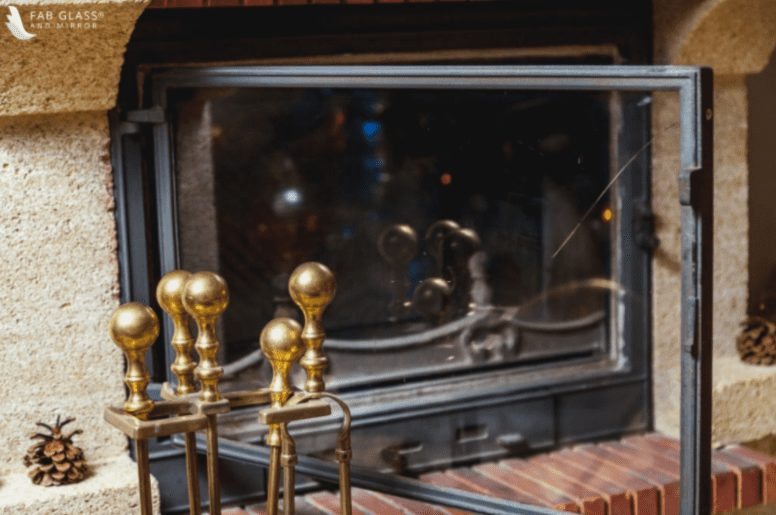
fireplace door with scratched glass
If your glass has scratches, that’s an early sign that you may want to replace the doors. Small scratches occur naturally over time, but large scratches are a serious eyesore.

The real safety issue here, however, is that lines that appear to be scratches can actually be small cracks in the glass. Examine any scratches carefully to be sure that they are scratches and not small cracks. Cracks can lead to the doors shattering at random, which can pose a serious safety issue.

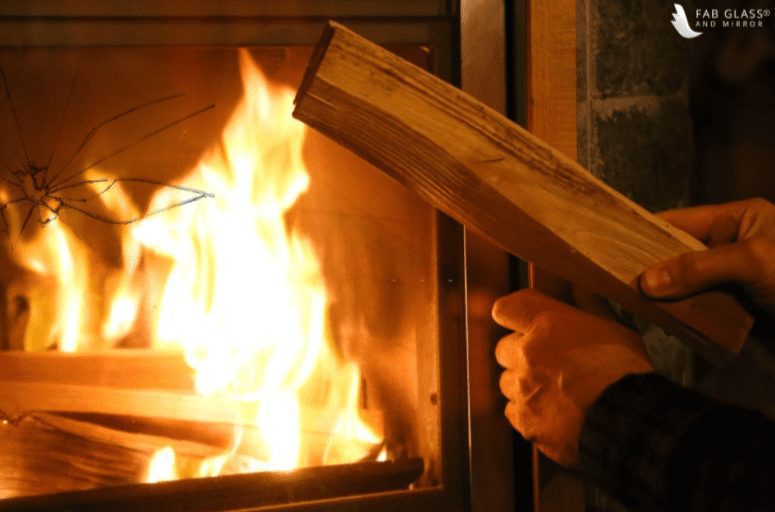
2. Cracks in the fireplace glass

If your fireplace glass is cracked, your glass should be replaced immediately. Cracks weaken the structure of the glass and significantly reduce the efficiency and protection the glass doors offer.

Be very careful handling cracked glass doors. It takes very little effort to shatter the glass since the structure is already weakened.

cracked fireplace doors

3. Discoloration and build-up of soot

All tempered glass doors must be left open while the fire is burning. A consistent cleaning schedule will prevent the build up of ash or soot on your doors.

If you have tempered glass doors that are charred or soot stained, this is a sign that they have been left closed while the firebox is burning. This continual misuse of the doors has weakened the structure of the glass significantly. Blackened tempered glass doors should be replaced immediately. It is only a matter of time before one of your glass panels shatters.

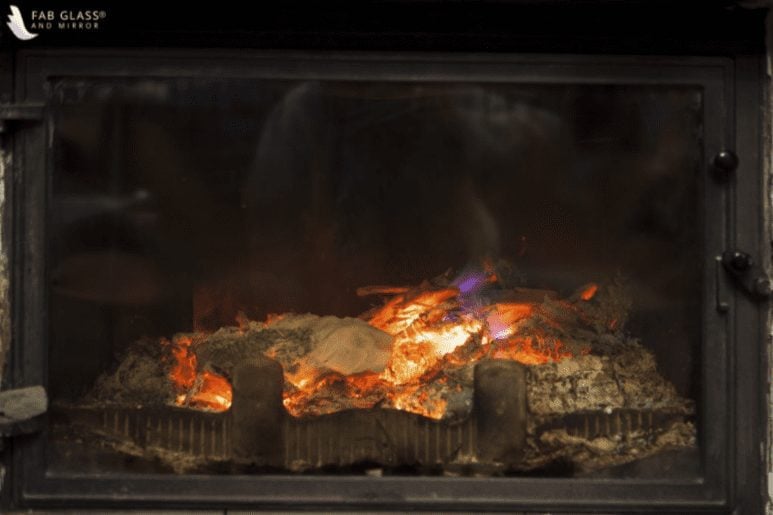
fireplace doors with dirty glass
If you have ceramic glass doors that can be left shut while there is a fire in the firebox, discoloration of the glass is unavoidable. The stains do not necessarily indicate a weakening of the glass structure, but it will make it more difficult to see the fire and reduce the visual appeal of your doors.

Cleaning your glass frequently can help to mitigate these stains, but at some point you may consider buying new glass to refresh the look of your doors.

4. Lifespan of the doors

Fireplace glass is easy to maintain and very durable, but it’s not made to last forever. Fireplace glass that is frequently used should be generally considered a one-generation product. If you’ve inherited a home with fireplace doors for your parents, or if you’ve just bought a home and you don’t know how old the fireplace doors are, you should at least consider getting new doors.

First, fireplace glass is not meant to last forever. Replacing the glass proactively makes it unlikely you’ll have to deal with the hassle of broken glass.

fireplace door with scratched glass
Just waiting until one of the glass panes breaks means you’ll get the full lifespan out of your doors, but at what cost? The glass could break at any time and at this point is likely weak from years and years of use. This is a huge safety hazard to you, your home, and your family and guests.

Second, old fireplace doors are usually in an older style that few new homeowners enjoy. Brick Anew offers a wide selection of fireplace doors so that you can update the look of your space.

FAQs

Q: Should I replace the entire door set or just one pane of glass.

A: Check out this article for a complete answer to the question. However, as a summary, if you have tempered glass doors, it’s probably a good idea to replace the whole door set. Most tempered glass panels are hard to replace, and a new pane of glass will make the others look shabby in comparison.

If you have ceramic glass doors, you may be better off replacing just one panel. Ceramic glass doors are incredibly expensive so if you have a quality door set just getting the glass is probably the right way to go.

However, some doors are almost impossible to install new glass into. Many doors seal the glass using a silicon adhesive strip that makes it hard to install new glass. Especially with ceramic glass, this can be a dangerous project to do yourself. Try contacting a local glass professional for help.


Q: How can I maintain my fireplace glass for a longer lifespan?

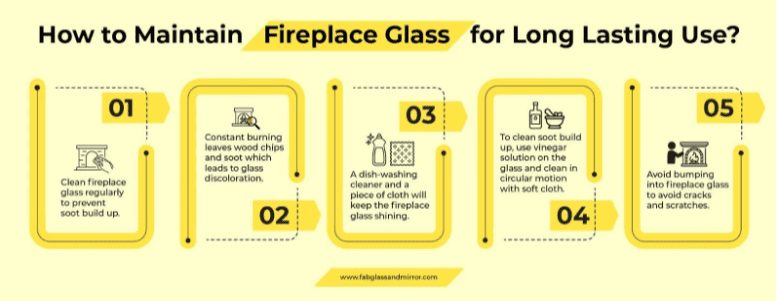
A: Check out this infographic and these quick tips.

fireplace door maintenance infographic

  • Clean the fireplace. Burning in your firebox leaves coal, ash, and soot. These are the substances that discolor the glass over time. Periodically cleaning the firebox not only increases it’s visual appeal but acts as a preventative method to stains.
  • Clean the fireplace glass too. A simple dishwashing solution and a microfiber cloth keeps the glass shining with minimal effort.
  • Get rid of soot build up using a vinegar solution. Spritz the mixture on the glass and leave it for about a minute. Remove the solution with a microfiber cloth using a circular motion. Repeat this process until there is no soot left on the glass.
  • Keep the area around the glass doors clear. Bumping into a hard object shouldn’t crack your glass, but it may scratch the glass. Keeping the area around the firebox clear can prevent scratches to preserve the beautiful appearance of your glass.

Tips to Consider When Moving to a House With a Fireplace

Moving to a house with a fireplace can be a great idea! Fireplaces provide an ambiance of warmth and tranquility; it could be one of the essential elements that decides your new place of abode.

However, even though fireplaces come with a crackling, cozy glow, it can pose problems. Not only are many fireplaces outdated, they can become dangerous fire hazards when not cared for properly.

If you want your house relocation to be safe and efficient, consider these fireplace tips from the get-go:

Have the Chimney Inspected

Before the moving day, be sure to get the chimney inspected by a specialist. Unless you’re a trained expert, you need the assistance of a professional to check whether the chimney is in good working condition. Remember, if you inspect the chimney before you move in, you’ll have peace of mind knowing your new home’s fireplace is safe to use upon your arrival.

Sweep the Chimney

In addition to inspection, it’s important to have the chimney swept when moving to a house with a fireplace. This is one of the most important things to do to make sure you’ll not end up dealing with chimney fire. 

Unless you have documentation that the chimney is clean and safe, you have to clean it up to prevent creosote buildup which is highly combustible and a fire hazard. Also, when the chimney is filled with this substance, carbon dioxide poisoning might happen.

You’ll want to do this before you move in so you don’t risk covering your covering your new furniture and flooring with a sooty mess. Hiring well-rated professionals is a must for a thorough job that doesn’t make too big a mess!

Think about a Fireplace Remodel

In most layouts, the fireplace is set as the focal point of the living room. If it is outdated, your whole living room will have an outdated feel. It is essential that you update your fireplace. You may just need a new mantel or a quick whitewash, but if your brick is really dingy, you may want a transformative look!

You can resurface your fireplace, of course, but that can be very costly. The Brick Anew paint kit is designed to transform your brick, maintain a natural brick look, and brighten your space, all for $200. If you’re considering moving to a home with outdated brick, the Brick-Anew paint kit might be just what you need!

Test Your New Damper

The fireplace damper is used to regulate the flow of exhaust from the fire. When you aren’t burning in the fireplace, you can keep the damper closed to keep out cold weather.

However, when substances like ash and creosote build up, they’ll stop the damper from opening and closing properly, which might cause a fire hazard. To ensure your safety, you should hold a lit candle under the closed damper. If the flame flickers, a draft is coming in through the damper which indicates a fire safety hazard as well as a potential strain on your heating bill.

If your damper opens fully but doesn’t close, you can install a set of fireplace doors to keep out the draft. Sometimes dampers break and buying doors can be less expensive than replacing the damper.

Create a Fire Escape Plan

While your professional movers Manhattan NYC or wherever you may be are busy handling the logistics aspects of your relocation, you can now focus your attention elsewhere. It’s important to create a fire escape plan so you’ll know what to do if a fire escapes from the firebox.

For instance, your fire plan should include whether certain members of the household will try and put out the fire or simply go to safety. If you’re moving to a home with bedrooms upstairs, be sure to purchase fire ladders for each room in the event fire occurs and the stairs are blocked.

Purchase a Fire Extinguisher

Another safety tip to keep in mind when moving to a new house with a fireplace is to buy a fire extinguisher. If your fire escapes from the fireplace, a fire extinguisher can extinguish the fire before it grows.

Know and Follow Safe Operation Practices

Moving to a house with a fireplace can be very exciting, but it comes with risks that you should be aware of. Here are some tips anyone starting, maintaining, or putting out a fire in your home should know:

  1. Avoid using chemicals as well as wet, moldy, or rotten wood to fuel your fireplace.
  2. Refrain from creating a roaring fire; use an appropriate amount of fuel and keep the fire contained in the firebox.
  3. Make sure to dispose of the ashes once they are completely cool. To be safe, place the ashes in a metal container.
  4. If you plan to use newspapers as kindle, remove any colored portion. Colored ink can contain lead and other substances that can create toxic gasses.
  5. Inspect your carbon monoxide and smoke detectors on a regular basis.
  6. Store poking tools and matches in a safe place, out of reach of pets and children.
  7. Be sure you keep curtains and other flammable materials a safe distance from the fireplace.

Conclusion

As you can see, there are many things to take note to ensure a safe fireplace operation once you arrive. For the meantime, you should get quality moving packing services from a reputable company while you’re preoccupied with the safety of your new home. Instead of stressing yourself out with the tasks involved, you can use some extra hands to make the transition less stressful. 

If you’ve always dreamt of a fireplace in your dwelling place, then, there’s nothing to worry about. Despite the safety risks associated with having a fireplace, you can always keep everyone in the household safe by following the tips mentioned above when relocating to a new house.

Fireplace Safety 101

What’s better on a cold night than to light a cozy fire and enjoy its warm ambiance? But before you light that first log, you need to be sure your fireplace is clean, your fire is manageable, and the area around your fireplace is safe.

(more…)

Tips for Spring Cleaning Your Fireplace

With weather beginning inch its way to spring time, it’s just about time to break out the cleaning supplies, and get started on polishing up your home in time for the official start of Spring.

Spring Cleaning Tips for Your Fireplace

The number of “spring cleaning” projects on my list this year keeps mushrooming, but one the biggest tasks I have to tackle is cleaning the fireplace after a long winter of being closed in and burning wood.

I think the fireplace is one of the toughest jobs of all because it is one of the dirtiest places in a home. Ashes, soot, stains—these are all items on the list to be tackled so I can check the fireplace off of my list. The cleaning project I am referring to here is NOT the chimney. Personally, I would not venture to do conduct my own safety inspection, I prefer to bring in the “professionals” to clean my chimney. On my list are the firebox, the fireplace doors, and any soot or stains on the brick.

It’s important for you to make certain you get your chimney inspected once each year. Many people opt for the Fall season, before they begin using their fireplaces frequently. There’s no reason you can’t have this service performed in the Spring, instead.

But the spring cleaning chores I am referring to are more of a deep clean of the fireplace surround, hearth pad and the inside of your fireplace and firebox.Handy tools for you to gather when preparing to “spring clean” your fireplace

  • Drop cloth
  • Large bucket
  • Stiff bristled nylon brush
  • Metal trash can
  • Shop Vac vacuum
  • Warm water
  • Cleaning supplies
  • Bleach and TSP
  • Vinegar and baking soda for a natural approach
  • Rags or towels that you don’t mind getting dirty
  • Protective mask, eyewear, and gloves

Let’s get started

-First remove the log holder, andirons and any other tools from the fireplace area.
To clean them quickly, you could take them outside and hose them off to clean them.
Scrubbing the tools and accessories gently should get most of the dirt and grime off.
You can also try a non-flammable metal polish to clean them to a shine if you like.

-Next, carefully scoop out any built up and loose ash and place it in a metal trash can. You can use either a Shop Vac or a vacuum to life the rest of the ash up and out of the fireplace area.

-Take the nylon brush and use it to loosen and scrape off and of the gunk that is stuck to the walls and the bottom of the fireplace. You can also use your Shop Vac to
clean up this debris, too.

-Create a solution to clean the surfaces. To do this, combine 1 gallon of warm water with 1 cup of bleach and 6 tablespoons of TSP. Then put on protective rubber gloves, and use the solution to scrub the walls, surround and floor of your fireplace.

-Next, rinse the fireplace surfaces with a wet cloth, rinsing in between with water for best results.

-If you’re interested in using a more natural cleaning solution, then mix a half warm water and half white vinegar solution. To be successful with the water and vinegar solution will require a lot more elbow grease—you’ll need to scrub harder to get the surfaces clean. To use this more natural solution, spray the mix on all of the surfaces of your fireplace, avoiding wood or any surface that can be damaged by water. Let the solution sit for 5 to 10 minutes, then spray it again, and scrub with a nylon brush. You may need to repeat this step more than once to get the results you want.

Once this process is complete, dissolve a few tablespoons of baking soda in water, and wipe down the same fireplace surfaces with the baking soda solution to help neutralize the vinegar.

-To clean the glass fireplace doors takes just a few squirts of dishwashing detergent like Dawn, to a bucket of warm water, OR add a cup of vinegar to a gallon of water. I’ve found that cleaning the glass with the soapy water first, then once dry wiping it down with the vinegar solution is the most thorough method here.

-Wipe any residue away with newspaper, which is lint-free.

-To clean the mantel, wipe with a damp cloth to remove dust. If your mantel is wood, you can use a wood polish to add luster and freshly-cleaned shine. You may also want to consider dusting and freshening up your mantel decor.

That’s it, pretty simple, really! Now all we have to do is find the time to tackle this chore and get our fireplaces ready for Spring!

Choosing the Right Fireplace Screen for Your Home

There are so many alternatives available for those seeking to add a fireplace to their home these days, yet nothing quite compares to the relaxing nature and ambiance of a traditional fire. Whether it’s the crackling of the logs, the flickering flames, or the scent of a wood-burning fire, the experience can be nothing short of magical. (more…)

Safety Tip: Open Fireplace Doors When Burning A Fire

With fireplace season in full swing, many of us are examining the condition of our fireplaces and making lists of what we should be doing to prepare for the long fireplace season ahead. You might need accessories, update the look of your fireplace, or even order a beautiful new set of fireplace doors.  Glass fireplace doors can be a beautiful addition to your fireplace offering an added layer of protection and a measure of safety to your home. (more…)

Use Firebox Paint to Keep Your Fireplace Looking New

It’s that time of year again, people are thinking about updating their fireplaces, prepping fireplaces for the busy holiday season, and cleaning things up a bit before everyone heads indoors for the winter.

That’s why we want to share a top post from the Brick-Anew blog again, with tips for cleaning up your firebox, getting your fireplace cleaned up, and choosing the right firebox paint. If you’re planning on cleaning up your fire box for the season, then you’ll definitely want to check this post out!

“When you want to make your firebox look like new, a fresh coat of firebox paint is just what the doctor ordered. Before you start, you have to think about what kind of fireplace you have, and also be prepared to prep and clean the firebox for painting.”-Brick-Anew.com

Now get to work!

clean brick fireplace


New York City Mayor Proposes Ban On New Wood Burning Fireplaces

The mayor of New York City, Bill de Blasio, says he wants to cut down on air pollution by placing a ban on all new wood burning fireplaces, according to the Washington Post.  The mayor wants new fireplaces to use alternative methods of fuel such as natural gas which would not emit as many pollutants into the air as burning real wood .

(more…)