Free Shipping On Orders $199+ No-Hassle Returns Trusted By 130+ Happy Customers

House Fire Statistics: How Common They Are & How to Stop Them

House fires remain a significant threat to life, property, and community safety across the United States. Despite advancements in technology and public awareness, thousands of fires still occur annually, leading to tragic losses and substantial economic damage. Understanding the scope of the problem and how to prevent it is crucial for every homeowner.

The Statistics

Number of Fires

In 2023, U.S. fire departments responded to approximately 1,389,000 fires, marking a 9.1% increase from 2014.

Number of Fires

Fatalities

Fire-related deaths have fluctuated over the past decade, with a notable increase in recent years. In 2023, there were 3,670 fire deaths, a 15.9% rise from 2014.

Annual Fire Deaths

Injuries

While fatalities have increased, fire-related injuries have seen a decline. In 2023, there were 13,350 injuries, a 12.3% decrease from 2014.

Annual Fire Injuries

Fire Dollar Losses

The financial impact of fires is staggering. In 2023, the estimated property loss due to fires was $23.2 billion, a 16.3% increase from 2014.

Annual Fire Dollar Loses

Causes

Residential fires are primarily caused by a few key factors:

Cause Number of Fires
Cooking 167,800 fires
Other unintentional, careless actions 31,500 fires
Heating 27,900 fires
Electrical malfunction 23,700 fires

These causes highlight the importance of vigilance in everyday activities and the need for proper maintenance of household systems.

Fire Department Responses

In 2023, U.S. fire departments responded to various incidents, with the majority being non-fire-related:

Category Percentage
Emergency Medical Services (EMS) and Rescue 65.2%
Good Intent Calls 11.5%
False Alarms 7.8%
Service Calls 7.6%
Fires 3.9%
All Other 4.0%

This distribution underscores the evolving role of fire departments in community safety beyond just firefighting.

Strategies For Reducing House Fires

Obviously, taking measures to prevent your house from catching fire is an immediate and major concern. Here are some ways you can try to protect your home:

  • Never Leave Cooking Unattended: Cooking unattended is the #1 cause of home fires. Never leave the kitchen while frying, grilling, or broiling. And if you do have to leave, even for a moment, turn the stovetop off.
  • Install and Test Smoke Alarms: Smoke detectors are your first line of defense. Put them throughout your home, inside bedrooms and outside sleeping areas. Test monthly, and change the batteries at least once a year. Change the whole unit every 10 years.
  • Use Fireplace Doors or Screens: All fireplaces must be equipped with a durable screen or glass doors to keep sparks and embers from flying out. When the fire is snuffed out, ensure the ashes are cooled before dumping them into a metal container placed far away from your home.
  • Don’t Overload Outlets; Check Cords: Overloaded outlets and frayed cords constitute serious fire hazards. Don’t daisy-chain power strips, and unplug appliances that aren’t in use. Check cords often, and replace if anything is cracked or damaged. Use only UL-listed surge protectors.
  • Keep Flammables Away from Heat Sources: Maintain three feet of clearance between heat sources — including stoves, space heaters and radiators — and flammable materials like curtains, paper products and cleaning supplies. Never keep flammable liquids in the house unless they are in containers that meet the safety standard.
  • Store Matches and Lighters Safely: Never leave matches and lighters where children can reach them — in a locked cabinet, if possible. Let children know that these are tools, not toys, and should be handled only by adults.
  • Practice a Fire Escape Plan: Each family should also develop a fire escape plan and practice it at least twice a year. Ensure everyone in the family knows two ways out of each room and that you have a meeting place established outside the home. Practice getting out in the dark and crawling low under smoke.
  • Clean Dryer Vents Regularly: Dryer vent lint is a frequent cause of house fires, but it is preventable. Wash your lint filter before each load and clean the vent pipe of the dryer from the rear to the outside wall. Do not run the dryer while sleeping or when you’re not home.
  • Use Appliances ResponsiblyShut off space heaters and unplug small appliances when not in use. Never run items such as the dishwasher or washing machine overnight. Make sure appliances are functioning safely and that cords are not overheating.

Conclusion

House fires continue to pose a serious threat in the United States, resulting in thousands of deaths, injuries, and billions in property damage every year. The good news? Most of these fires are preventable.
By understanding the leading causes—from cooking mishaps to heating equipment failures—and taking simple but effective steps to reduce risks, homeowners can significantly lower their chances of experiencing a fire. Installing smoke alarms, maintaining heating systems, keeping flammable items in check, and preparing an escape plan can all make a life-saving difference.
At Brick-Anew, we care deeply about fire safety and helping you protect what matters most—your family, your home, and your peace of mind. Whether you’re upgrading your fireplace with safe, stylish accessories or learning new safety tips, we’re here to help make your home both beautiful and secure.

Stay safe—and stay prepared.
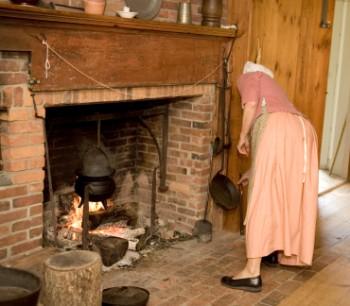
The History and Evolution of Fireplaces

fireplaces
Image source: interiordesign.lovetoknow.com

When they first began making an appearance inside of our homes, fireplaces were more practical than decorative.

That’s because fireplaces served very important purposes in the beginning. First, the hearth itself was a source of heat and warmth. In addition to providing added warmth to a home, early American fireplaces were also used as a place to cook and prepare meals. Not limited to cooking over an open flame, the hearth was also used as a tool to facilitate baking.

In the 17th and 18th centuries, the fireplace was large enough to allow someone to “walk-in.” The hearth was a wide, deep and open recess in a room, with a small mantel (if there was a mantel). The firebox was generally wider than it was tall.By contrast, fireplaces in English homes were smaller, and considered to be much more efficient. By design, colonial homes in America, particularly those built in the New England and Mid-Atlantic regions, were built with central chimneys with multiple flues. Because these fireplaces were more centrally located inside of these homes, the materials used to construct these fireplaces—a collection of brick and stone—also helped retain heat. By comparison in the South, fireplaces were located toward the ends of a home, to keep heat at a minimum, and help keep houses cooler in the summer.

The treatment of the fireplace as a potential object of beauty in a home began to come into its own in the middle of the 18th century. At this point in its evolution, the fireplace began to feature beautifully carved mantels, and details like dentils and inset panels.

Still huge, cavernous fireplaces continued to be popular into the 19th century. However, sometime around 1795 conventional fireplace design did begin to change. Sir Benjamin Thompson, known to many as Count Rumford, began working with the shape and design of the firebox. As a result, a modern fireplace opening is taller than it is wide, and smaller and shallower than earlier fireplace designs. Because of Rumford’s sharper angles on either side of his fireplace design, more radiant heat is shared with the room where the fireplace is situated. Another important feature of Rumford’s design is its narrow “throat,” which pulls smoke and air more quickly, and helps aid against backdrafts.

In addition to changes to the firebox, aesthetic design changes moved to the forefront after the Revolutionary War. During this time, lovely decorative elements like reeding, swags, star and shell accents and Federal and Greek Revival design-style mantels came into style. Today, the breadth and depth of fireplace and mantel-related design has exploded based on these earlier, more modest design elements.

The Victorian era ushered in much more ornate designs—intricate overmantels, mirrored displays, and elaborate tile displays, were some of the more prominent design elements available in the Victorian era.

During the mid-1800s, fireplaces also saw changes and modifications necessary to make it possible to burn more coal in more urban settings. This also brought with it the use and application of cast-iron features differently applied for safety and design purposes.

In the early 19th century, following a period hallmarked by ornate and fanciful designs, fireplace and mantel design returned to a simplicity of style more commonly found in the late 18th century, during Colonial times. In addition, in order to accommodate the Bungalow and Arts and Crafts home movements, an upsurge in banquette-flanked hearths complete with copper hoods and glazed tiles took hold. But before these dominant styles dominated, the back-to-nature movement inspired by Teddy Roosevelt spawned fireplaces built with river rock or stone.

While the overall shape of the modern fireplace has not changed much over time, the dimensions, uses and design options for today’s fireplaces are more diverse and creative than ever imagined. In the end, though, a couple of things remain constant. The unmistakeable ability of a fireplace to provide warmth, comfort, and relaxation to those of us who love to sit in front of a crackling, enchanting fire and relax.

Check Out These Stunning Outdoor Fireplaces

I know it is a little bit chilly yet to be thinking about actually relaxing in front of outdoor fireplaces, fire pits or a stove. But this post is loaded with some really attractive options I’m sure will inspire! (more…)

Happy New Year from the Brick-Anew Family!

It’s been a wonderful year here at Brick-Anew, thanks to all of our great customers and fans! (more…)

Happy Holidays from Brick-Anew!

Happy Holidays to you and yours from Brick-Anew!

(more…)

How to Stack Firewood for Your Fireplace

Now that it is finally starting to get chilly in some locales and the holidays are upon us, it’s time to think about stocking up on some firewood for the colder months ahead. (more…)

All This Story Needs is a Roaring Fireplace

Now typically because I love fireplaces, and I am always looking at fireplace accessories, makeovers and products, I feature a lot of fireplace-related content on the Brick-Anew blog. Today’s just a little different. (more…)

Safety Tips for Holiday Decorating Mantels & Fireplaces

The next couple of weeks will be a popular time for folks to decorate their homes for the holidays. Christmas trees, holiday stockings, garland—all of these items, while beautiful and fun, need to be placed carefully throughout your home to ensure that when you are doing your holiday decorating mantels and fireplaces are both safe and festive! Here are a few tips to help you keep everything well-tended this holiday season. (more…)

Happy Thanksgiving from the Brick-Anew Family!

While you are all gathering, giving thanks, sharing time together, we wanted to take a moment to say “Thank you” for your support throughout the year, and your shared devotion to all things “fireplace.” (more…)

Don’t Let Your Hard Earned Bucks Get Sucked Up The Chimney

Do you have a fireplace? Do you have doors on it?

Because if you don’t, even if you have never used your fireplace, you are increasing your energy bills by 14% every single month! So if you pay a $250 dollar electric and power bill, $35 dollars every month is being wasted. That’s a yearly expenditure of $420 bucks! (more…)

Enjoy These Amazing DIY Fireplace Makeovers

It’s getting chilly out there!  If you look forward to spending time indoors in front of a relaxing fire, then you are in for a treat.

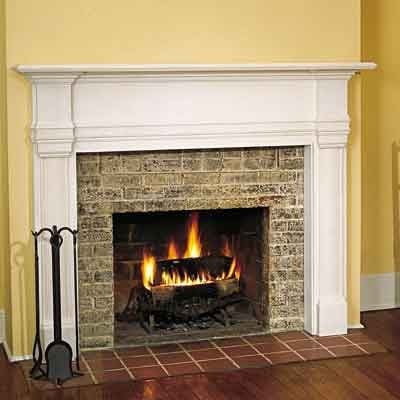
We are constantly combing the internet, looking for new fireplace makeover ideas. While searching last week we came across a great post from ThisOldHouse.com, 17 Fireplace Upgrades.  We loved it! The post features lots of great images and ideas, from the elegant to casual.

fireplace makeover
Photo: Kolin Smith


“Get your hearth looking like new before winter’s chill sets in for good”-The Editors of This Old House

Check it out!  We think you will find lots of great ideas, too.

The Brick-Anew Brick Paint Kit A “Wonderful Product”!

20150213_182433 - Copy

“I just wanted to say thank you so very much for creating such a wonderful product. My husband was very reluctant of me making this change. I showed him the Before & After pictures on your website and he gave me the go ahead. I prayed the whole time this would work for us too. After the about the 3rd step I almost stopped because I was so pleased with the results but continued until the end. I’m telling all my friends and family about Brick-Anew!”

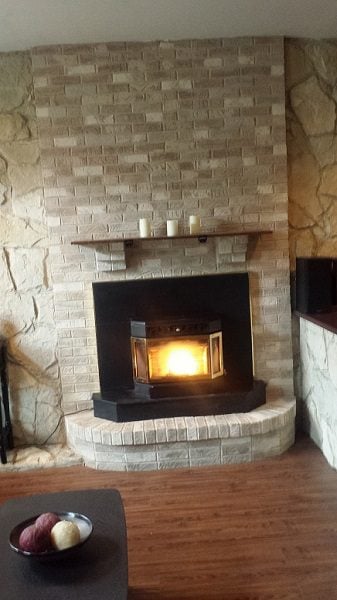
That’s what Merl and Nate, from Dover, Delaware, had to say about the Brick-Anew brick paint kit! Their dark brown brick fireplace competed with the light-colored surrounding stone and made it stick out like a sore thumb. What an eyesore!

20150202_114118 - Copy (2)

They painted their fireplace 20150212_124924 - Copy (2)brick using our twilight taupe paint kit and created a softer look that makes the fireplace blend in with the surrounding stone,  creating a space that’s calm and serene.  Here’s to a  great job taking dated “Brady Bunch” brick and turning it into a beautiful focal point for their room!

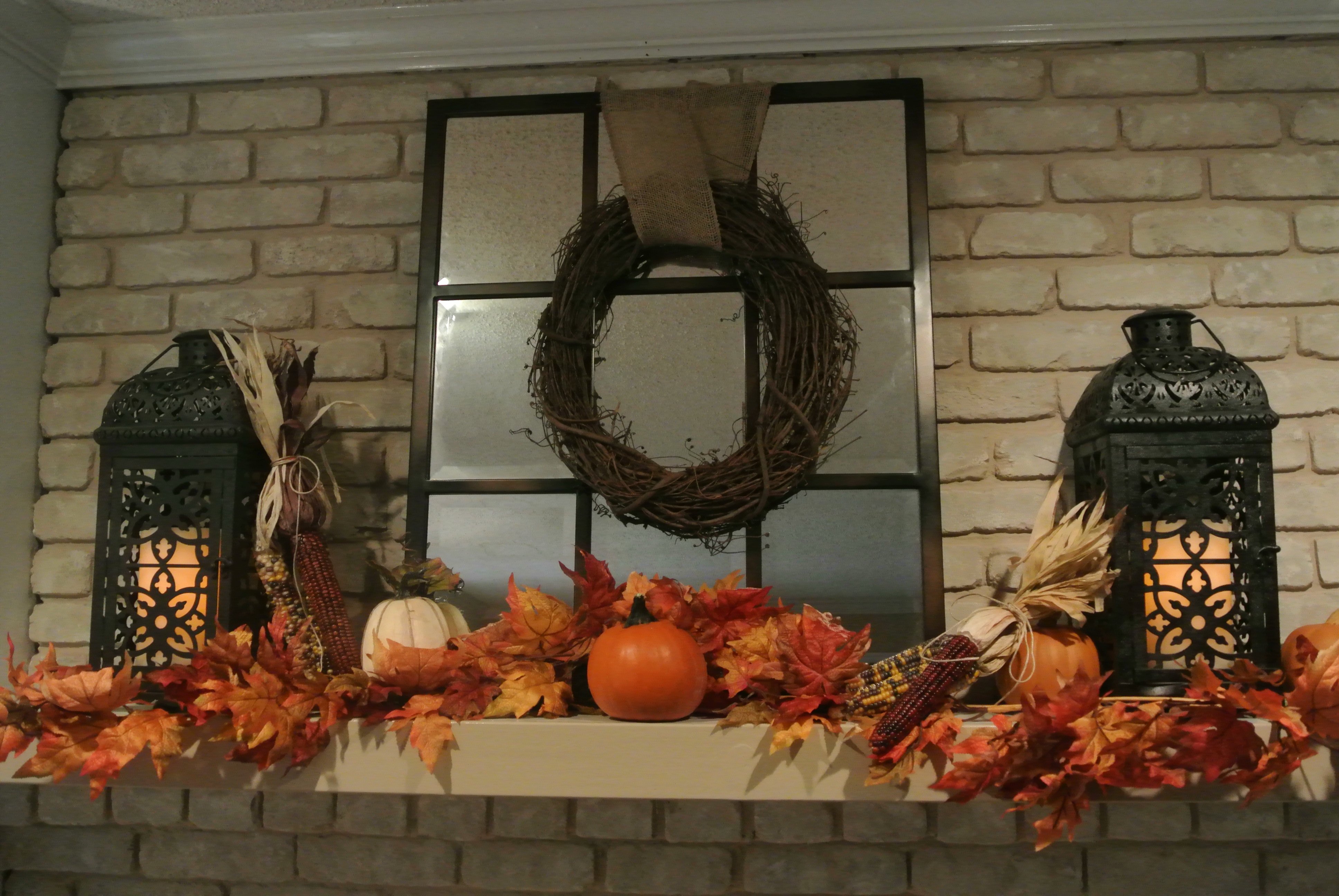
Brick-Anew Fall Mantel Display

Brick-Anew Fall Mantel Display

Fall is here! Take a look at this beautiful fireplace mantel display. With a combination of artificial and real pumpkins, Indian corn and some leaf garland, the warm colors pop against the Brick-Anew, Twilight Taupe background.

(more…)

Bring Some History Into Your Home With An Antique Fireplace Summer Cover

Antique fireplace summer covers – a look back to history!

(more…)

Wal-Mart Fireplace Doors

Wal-Mart Fireplace Doors – Low Prices, Low Support

wal-mart fireplace doors

Here are the three main step in buying a fireplace door:

  1. What kind of fireplace do I have? Masonry of Prefab?
  2. Measure your fireplace correctly.
  3. Start your fireplace shopping

(more…)

Buying Fireplace Doors at Lowes Hardware Store

Fireplace Doors at Lowes – Hot Tips and A Review of their Selection, Pricing, and Support

lowes fireplace doors
Lowes fireplace doors

The goal of this review is to give you the information to get the best door at the best price from Lowes. The keys to getting the best door are:

  1. Determine the type of fireplace in your home.
  2. Measure your fireplace and see whether you need a small, medium, or large door.
  3. Set up the Lowes page for easy shopping.

(more…)